Before You Pack Your Skis...
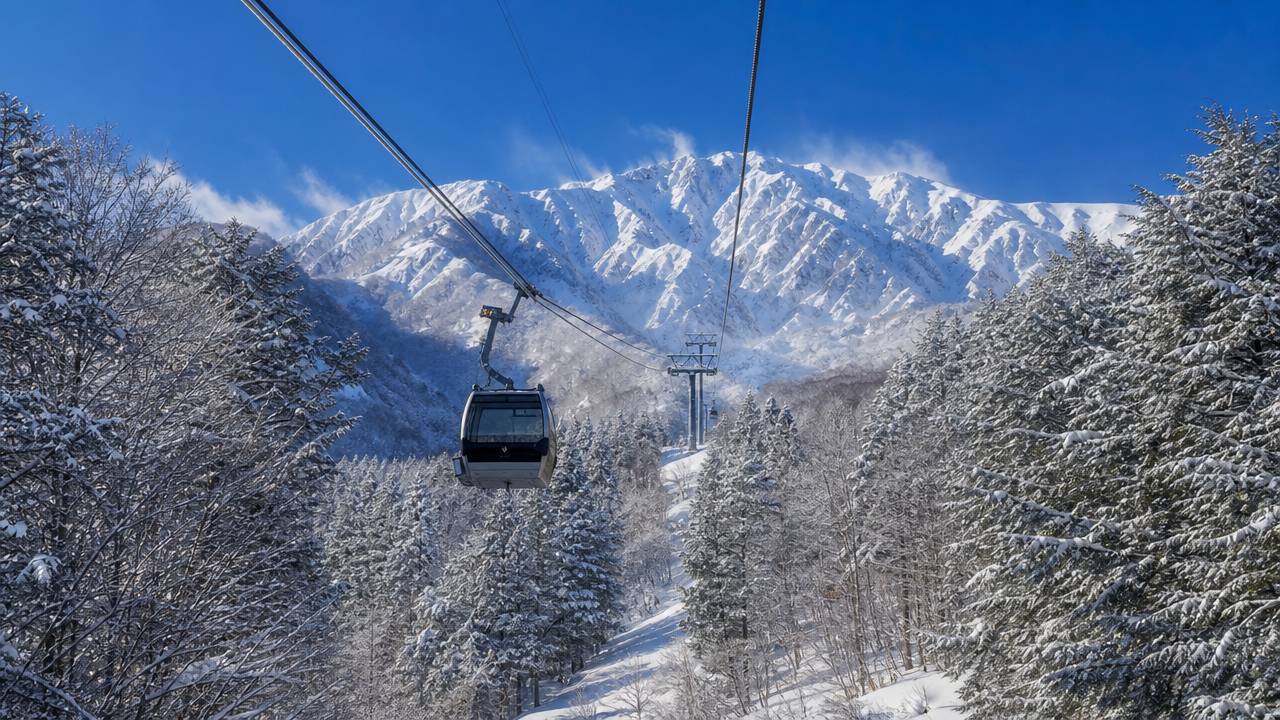
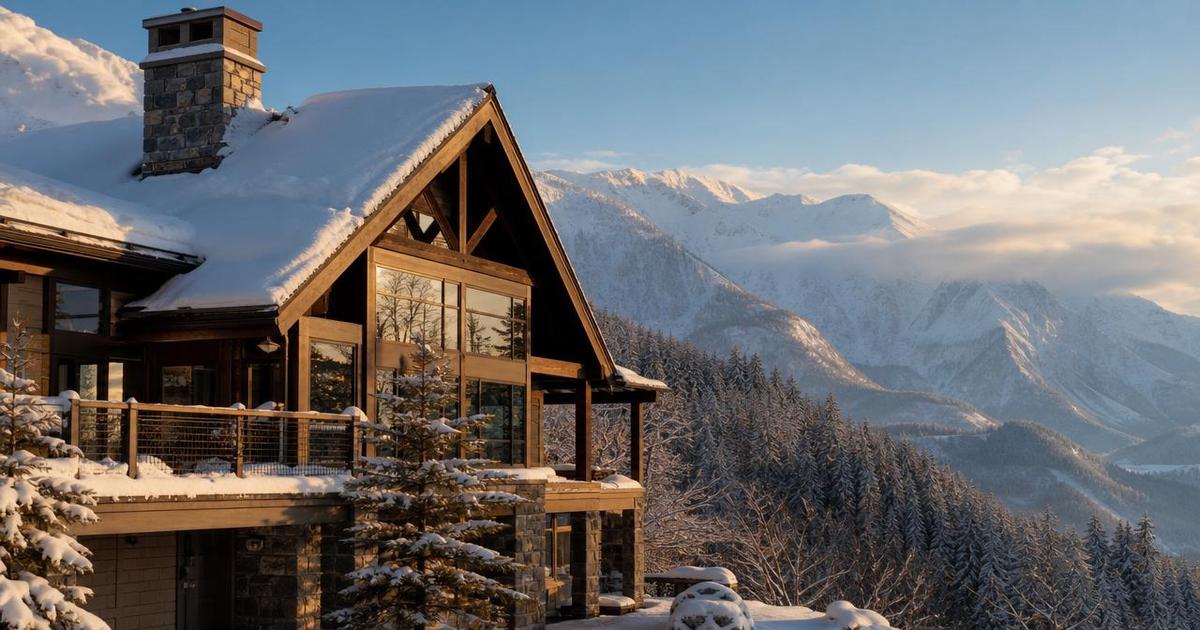
Winter mornings in Hakuba tend to begin quietly. Snow settles on cedar branches overnight, mountain peaks catch the first light of day, and cafés slowly fill with skiers preparing for another morning on the slopes. It's a rhythm that feels wonderfully removed from the crowds often associated with Japan's busiest cities.
That sense of space is one of Hakuba's greatest strengths.
As Japan welcomes more international visitors each year, the country has introduced a number of tourism measures aimed at protecting destinations from overcrowding while making travel smoother overall. Many headlines focus on reservation systems, visitor limits, and overtourism, leaving some travelers wondering whether these changes will affect ski holidays in places like Hakuba.
For most visitors, the answer is reassuring: your time on the mountain is unlikely to look very different. What will change is how you plan the rest of your journey through Japan, particularly if you're combining a ski holiday with visits to destinations such as Tokyo, Kyoto, or Mount Fuji.
Why Japan Introduced More Reservation Systems
Japan's tourism boom has brought welcome energy to destinations across the country, but it has also highlighted the challenges of managing visitor numbers in iconic locations.
Places such as Kyoto's historic districts, Mount Fuji's most popular climbing routes, and certain cultural attractions have experienced record levels of tourism. Local governments have responded by introducing reservation systems, timed entry, and other visitor management initiatives that help protect heritage sites while improving the overall experience.
These measures are largely concentrated in destinations that experience the greatest pressure. Mountain regions like Hakuba operate differently. Visitors naturally spread across multiple ski resorts, accommodation areas, restaurants, and outdoor activities, making congestion far less intense than in dense urban centers.
As a result, travelers heading to Hakuba are more likely to encounter these reservation systems before or after their ski holiday than while they're actually enjoying the slopes.
Where Reservations Matter Most
If your itinerary includes Tokyo, Kyoto, Osaka, or Mount Fuji before arriving in Nagano, planning ahead becomes increasingly important.
Museums, seasonal exhibitions, observation decks, and special cultural events are gradually adopting advance booking systems to reduce queues and improve crowd flow. Popular restaurants, especially during winter holidays, also fill more quickly as international visitor numbers continue to grow.
The good news is that reserving experiences often creates a more enjoyable day. Instead of waiting in long lines, visitors spend more time exploring and less time standing in crowded entrances.
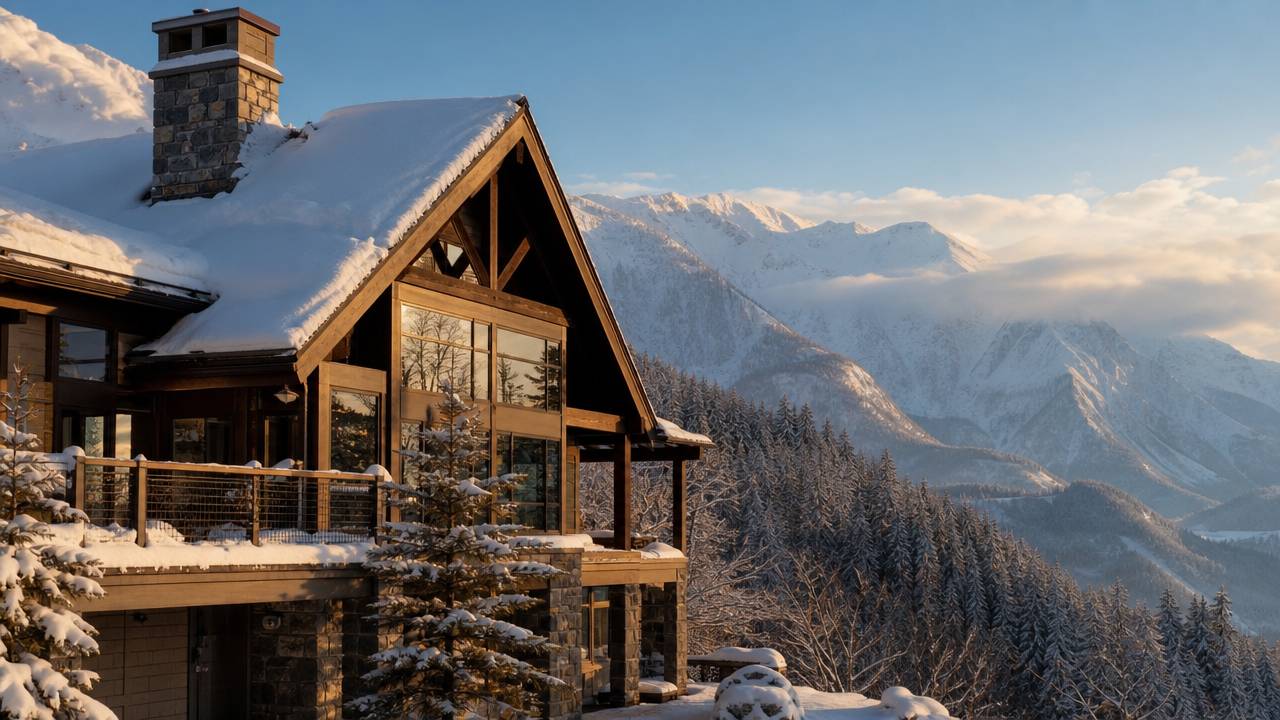
Days become structured around snowfall rather than sightseeing schedules, and evenings are spent soaking in an onsen, enjoying mountain cuisine, or relaxing beside a fireplace instead of navigating busy tourist districts.
Hakuba Continues to Reward Slower Travel
One reason Hakuba has become such a popular destination is that it offers something increasingly difficult to find in global tourism: room to breathe.
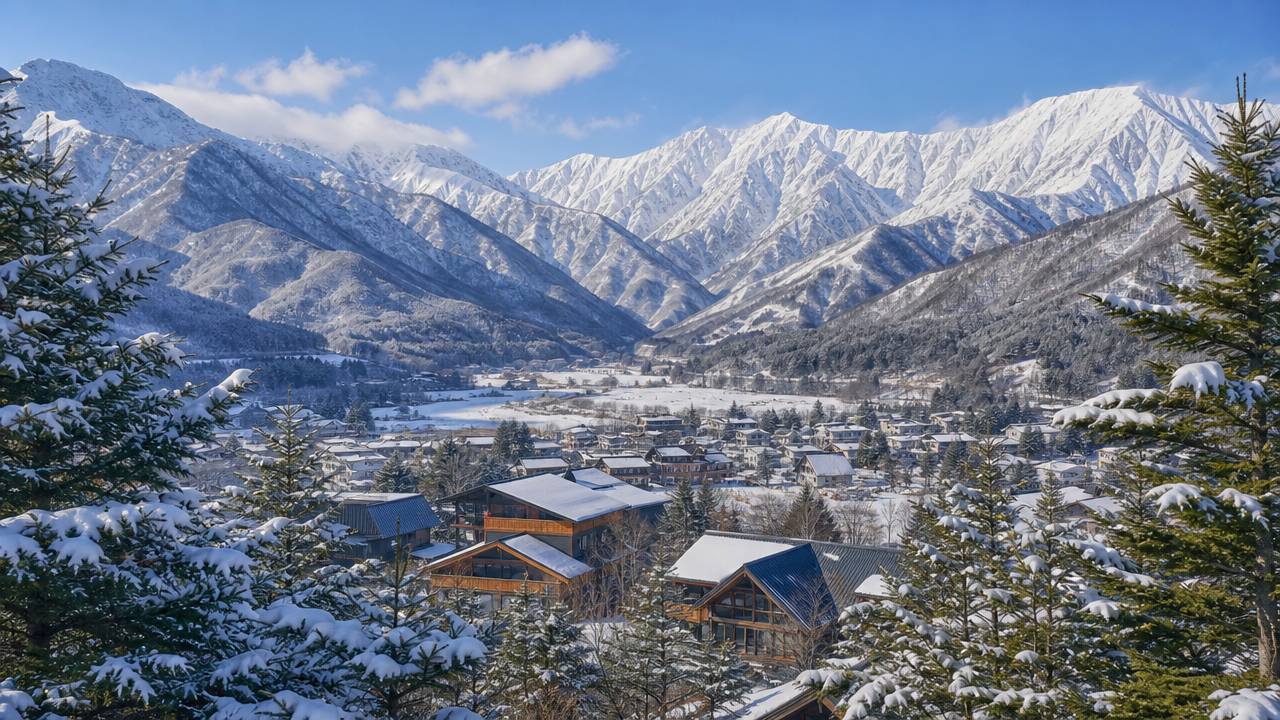
The valley stretches across multiple villages, each with its own character. Skiers disperse across interconnected resorts, cafés remain neighborhood-focused, and many accommodations prioritize hospitality over high turnover.
Japan's broader tourism strategy increasingly encourages exactly this kind of travel.
Rather than concentrating visitors in a handful of famous attractions, regional destinations are receiving greater attention through improved transportation, local tourism campaigns, and investment in visitor services.
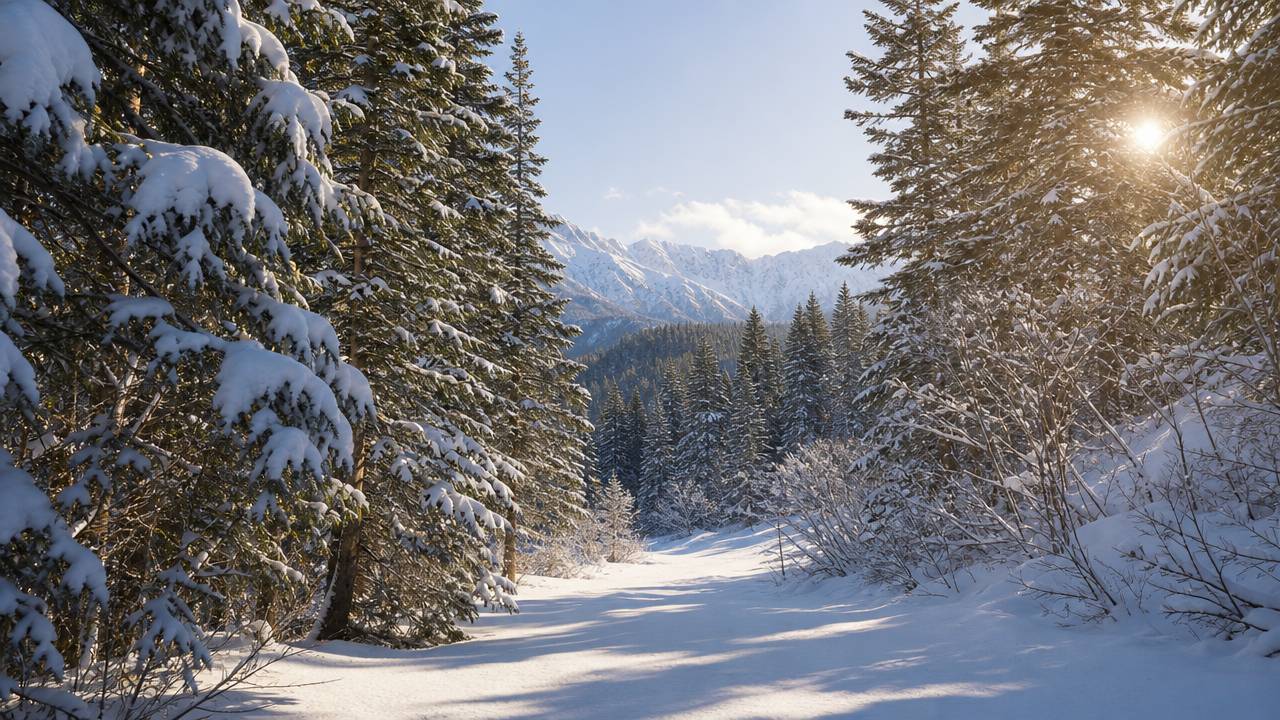
Hakuba benefits naturally from this shift. Travelers who spend several days in the valley often discover that the experience extends far beyond skiing. Snowshoe walks through quiet forests, local bakeries, mountain viewpoints, sake tastings, and traditional hot springs all become part of a holiday that unfolds at a gentler pace.
Five Ways to Prepare for a Winter Trip in 2026
Book accommodation early. Winter remains Hakuba's busiest season, particularly around Christmas, New Year, and the Australian school holidays.
Reserve popular experiences in Tokyo or Kyoto before arriving. This reduces last-minute planning once your ski holiday begins.
Travel midweek when possible. Trains, highways, and attractions are often less crowded outside weekend travel periods.
Leave flexibility in your itinerary. Mountain weather always has the final say. A relaxed schedule allows you to enjoy powder days without worrying about tightly packed sightseeing plans.
Embrace regional Japan. Some of the most memorable moments happen away from famous landmarks. Explore nearby villages, local cafés, and small family-run restaurants during your stay.
Frequently Asked Questions
Will I need a reservation to ski in Hakuba?
No general nationwide reservation system applies to Hakuba's ski resorts. Individual resorts or activities may require bookings, particularly during peak season, so it's always worth checking in advance.
Are Japan's new tourism measures aimed at ski resorts?
Not specifically. Most visitor management initiatives focus on destinations experiencing significant overtourism, such as Mount Fuji and parts of Kyoto.
Should I still visit Tokyo before Hakuba?
Absolutely. Simply plan ahead if you're visiting popular attractions that now operate with timed entry or advance reservations.
Is Hakuba becoming overcrowded?
Hakuba is busy during peak winter periods, but its multiple resorts and villages naturally spread visitors across the valley, creating a more relaxed experience than many urban destinations.
What's the biggest planning change for 2026?
Advance planning is becoming increasingly valuable. Reserving attractions, monitoring transportation schedules, and booking accommodation early will help create a smoother holiday.
Final Thoughts
Japan's evolving tourism policies are less about limiting travel and more about improving it. While famous attractions are introducing reservation systems and visitor management measures to protect some of the country's most popular destinations, places like Hakuba continue to offer the slower rhythm that many travelers seek.
For ski enthusiasts, the essentials remain unchanged. Fresh powder, breathtaking alpine scenery, welcoming mountain lodges, and evenings spent unwinding in an onsen are still at the heart of the Hakuba experience. A little extra planning before your journey simply means you'll spend less time navigating logistics and more time enjoying everything that makes winter in the Japanese Alps so memorable.